Bancha Research Society
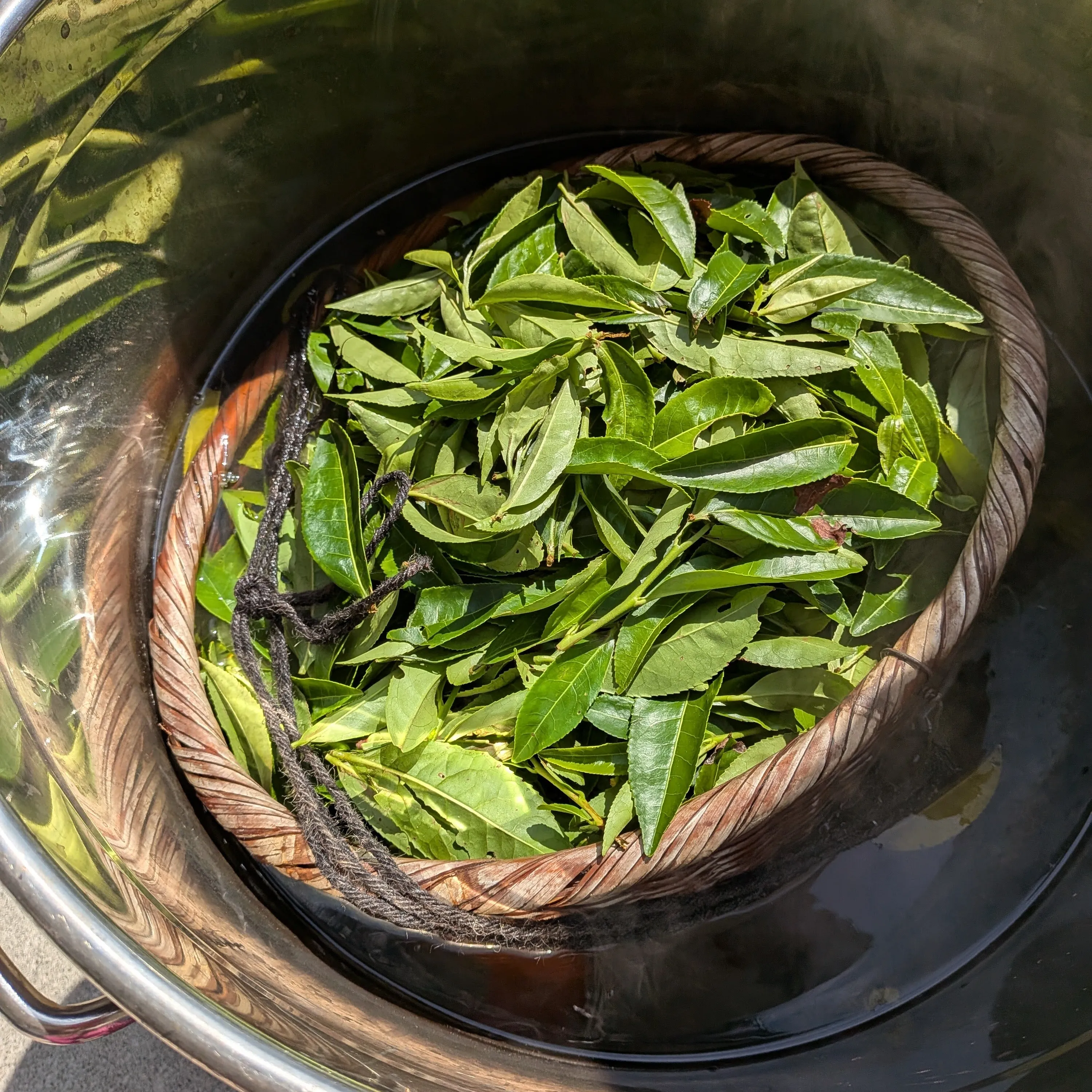
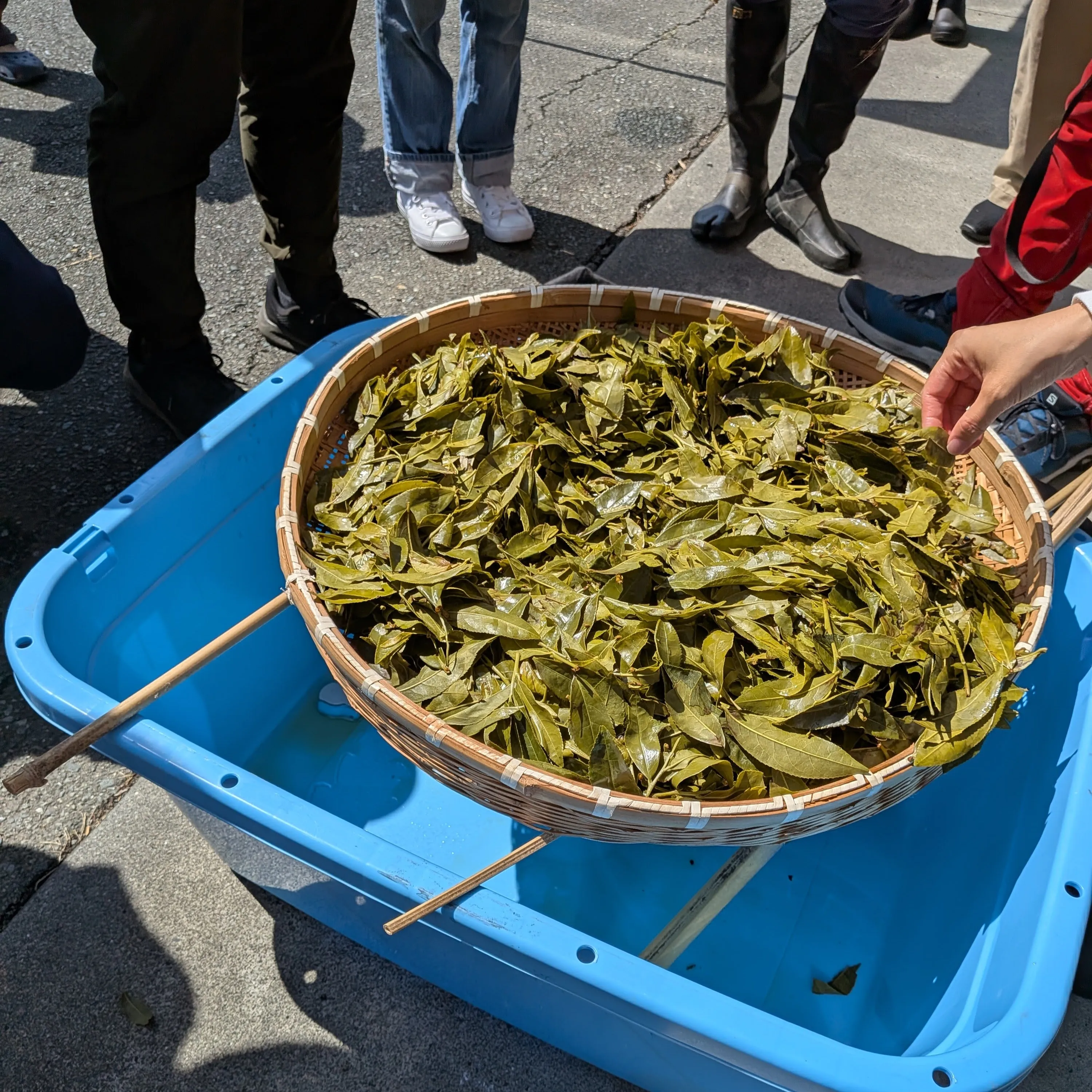
晩茶研究会Bancha is the tea that Japanese households have long made for their own use, processed at home in pots and pans. Because the goal was to harvest as many leaves as possible from a small number of plants, bancha is produced from summer onward, when the leaves have grown fully. Distinct from the green teas standardized for export, bancha is the everyday tea that developed locally, region by region, as the common drink of rural Japan.
The Bancha Research Society was founded in 2019. Takayuki Tatara, president of Nagamine Seicha, serves as its vice-chair. The society holds two workshops each year.
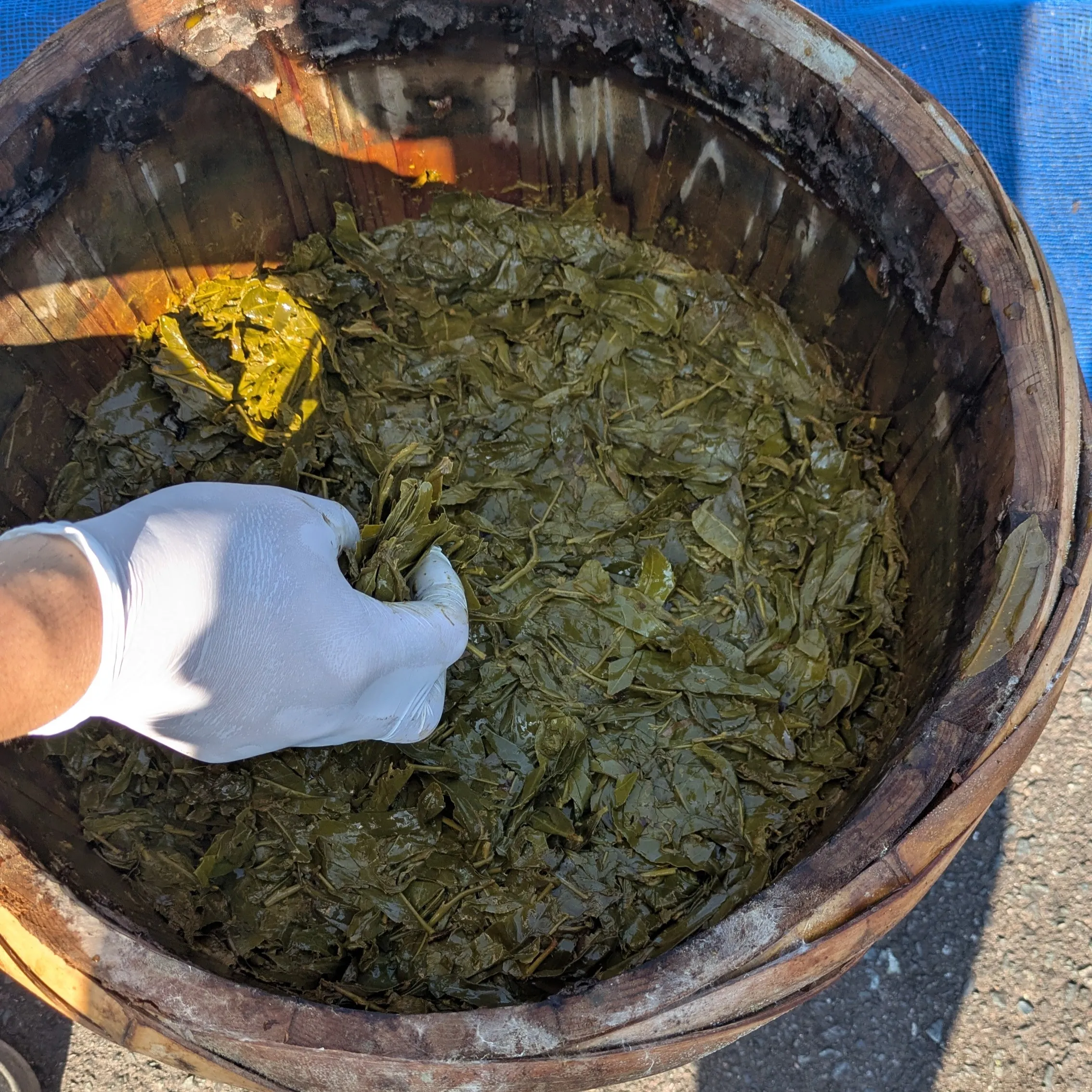
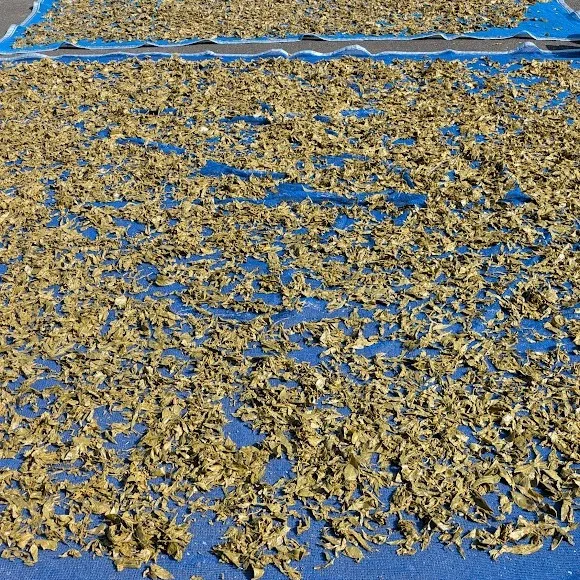
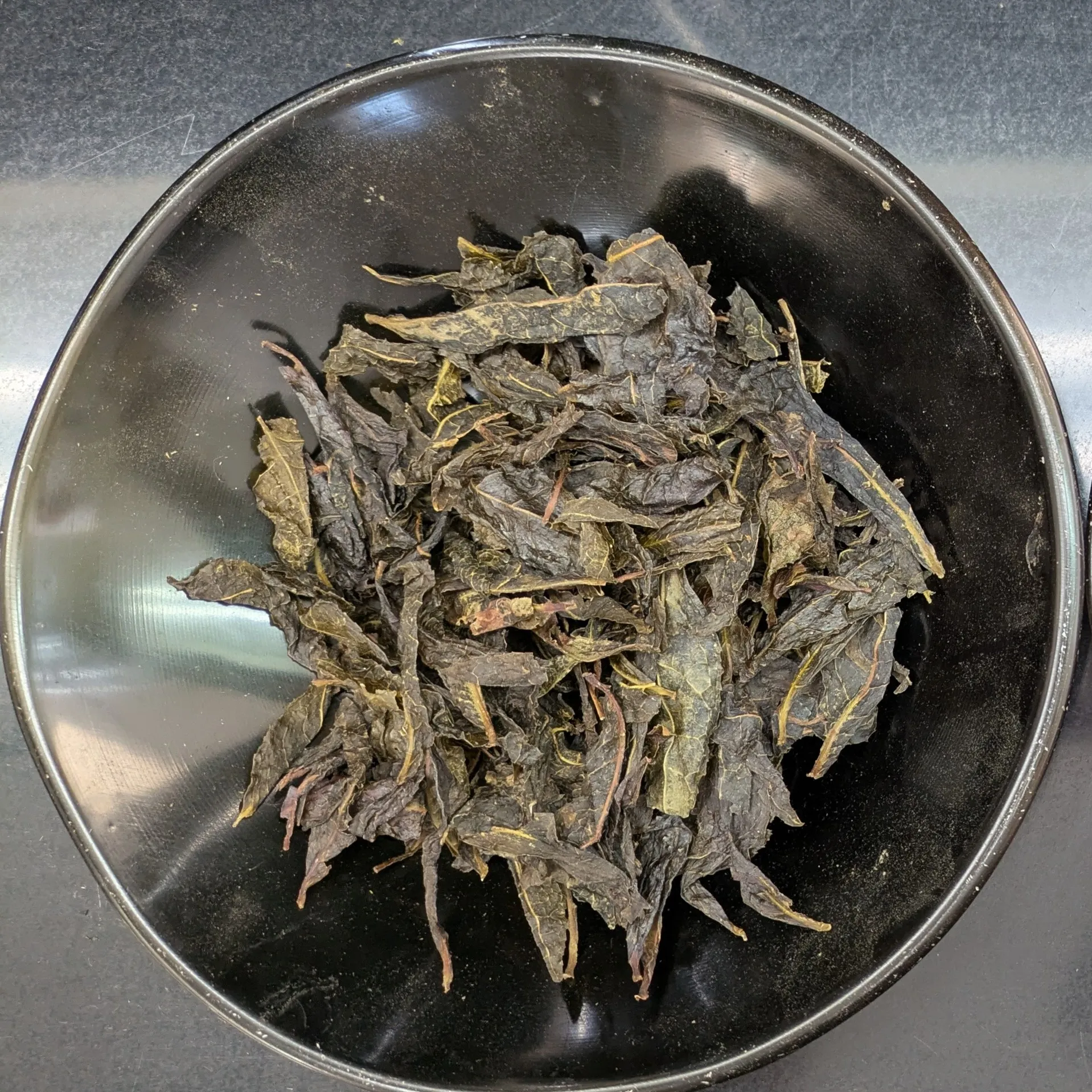
Lactic-Fermented & Boiled-Liquor Bancha
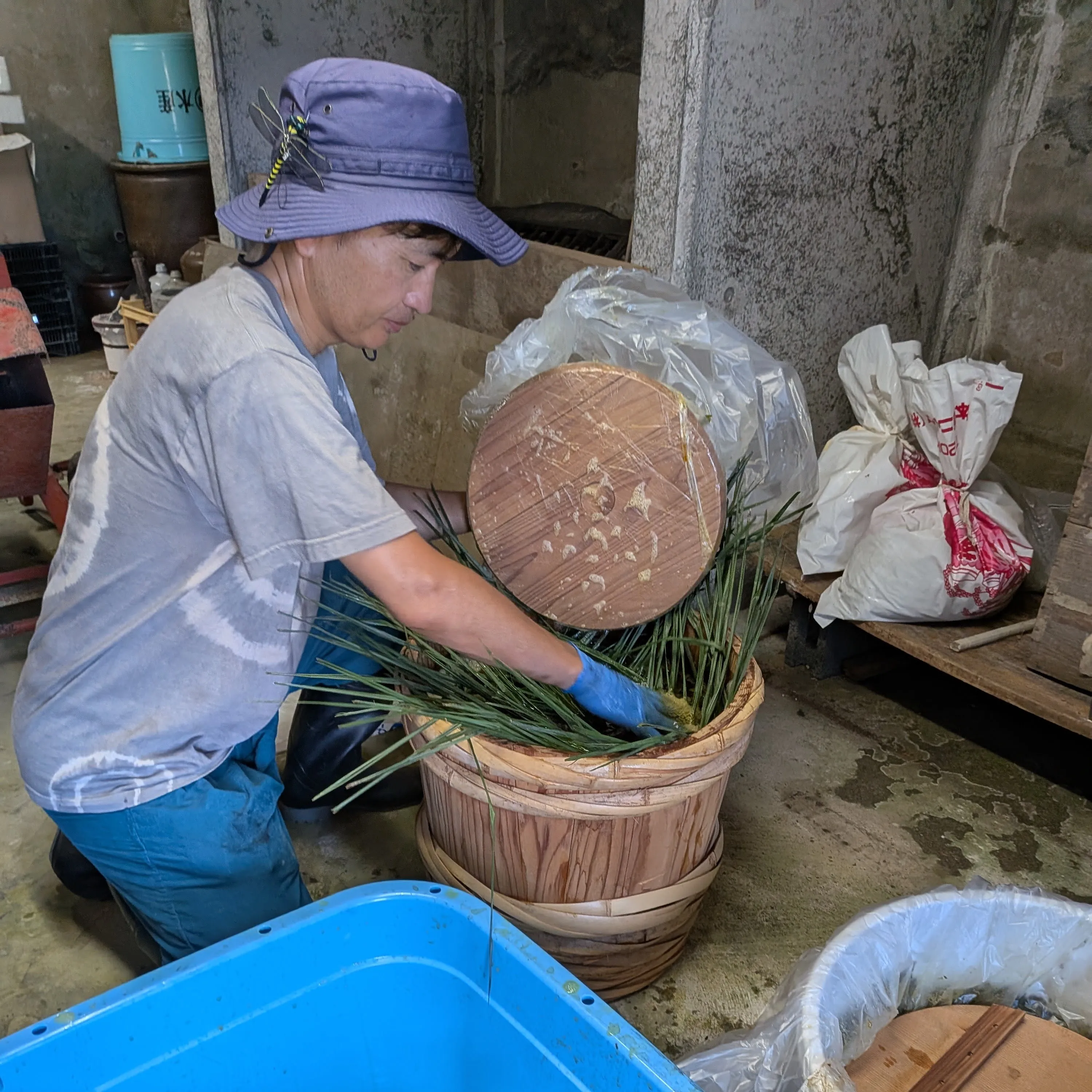
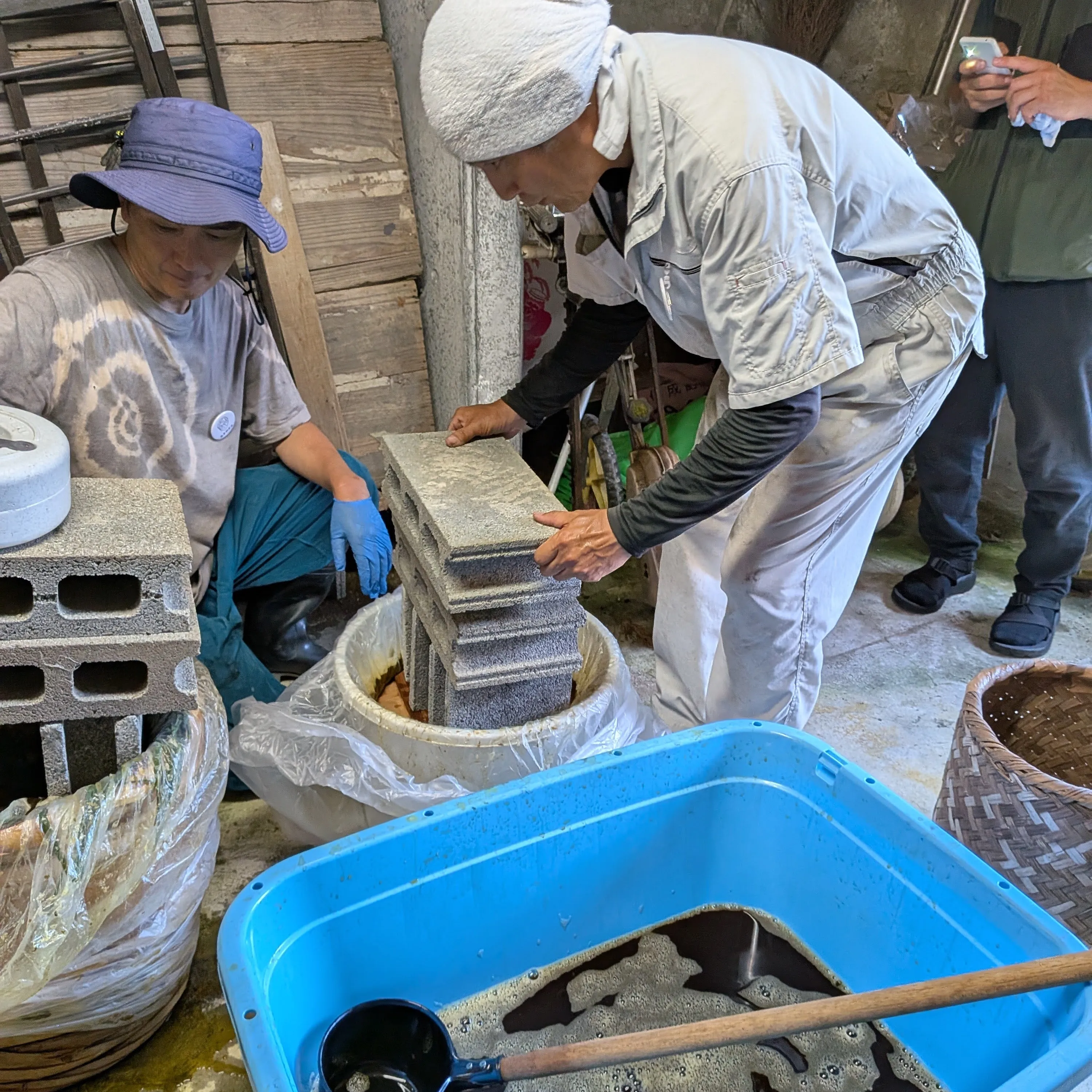
We produce lactic-fermented teas in the style of Awa Bancha, and teas finished with boiled liquor in the style of Mimasaka Bancha, among others.
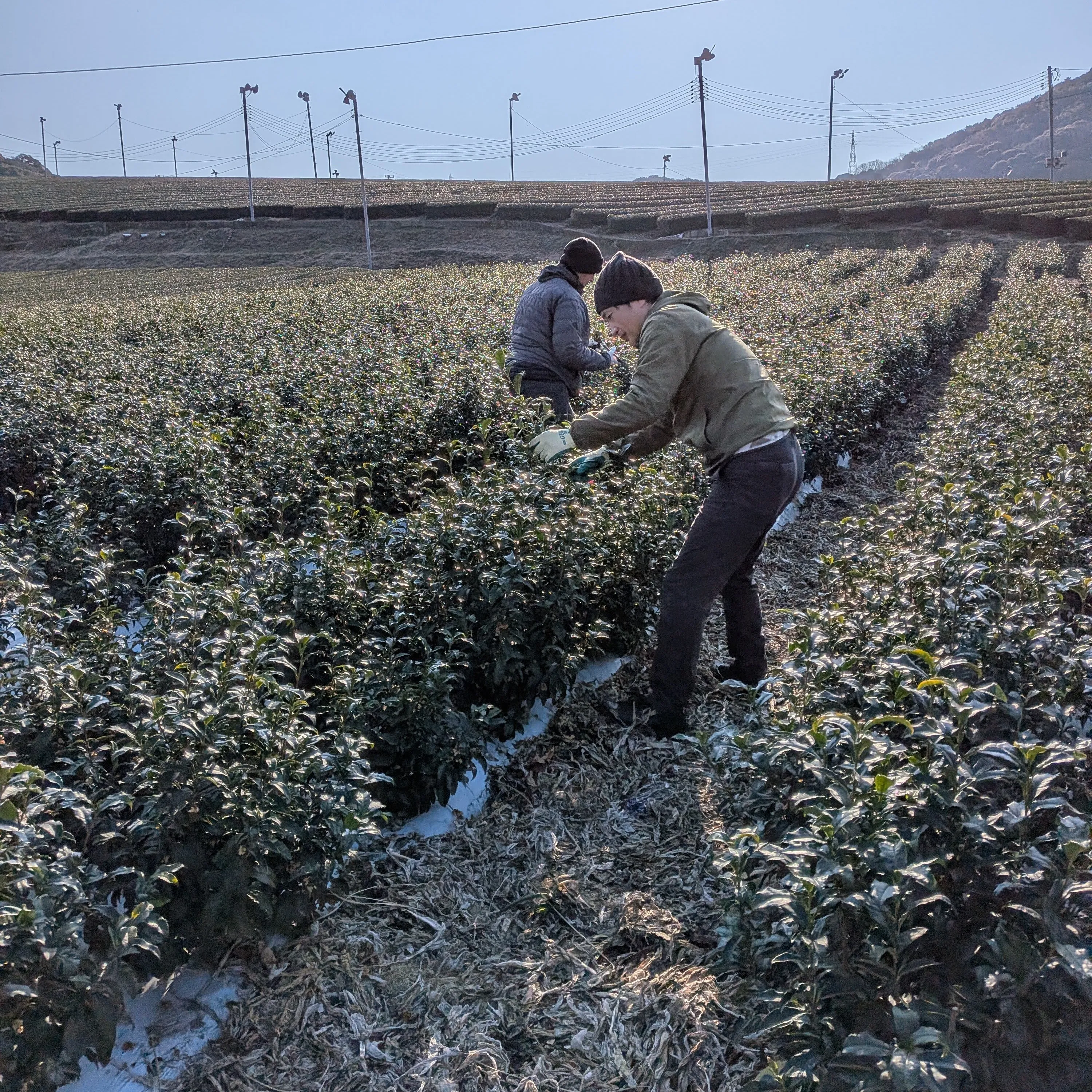
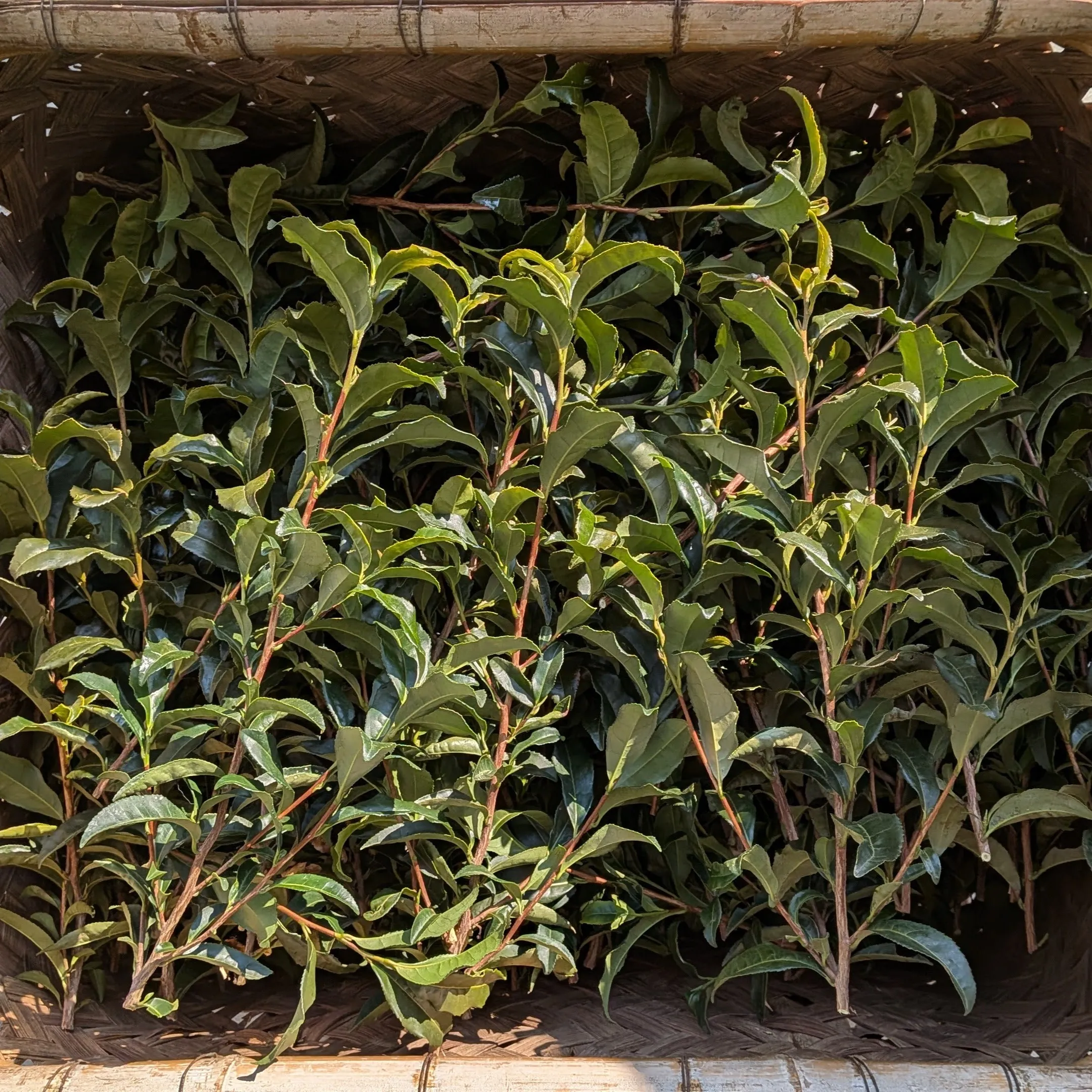
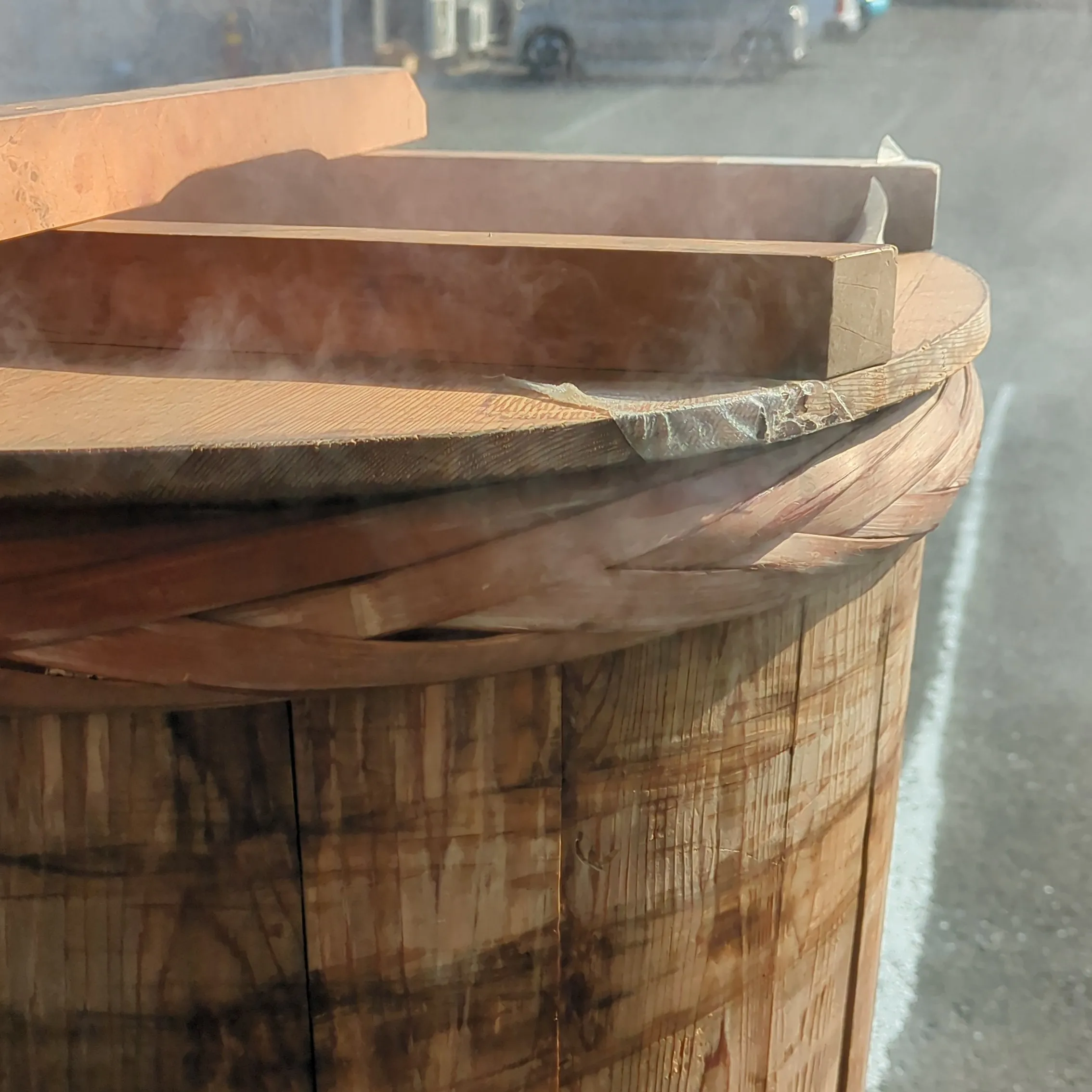
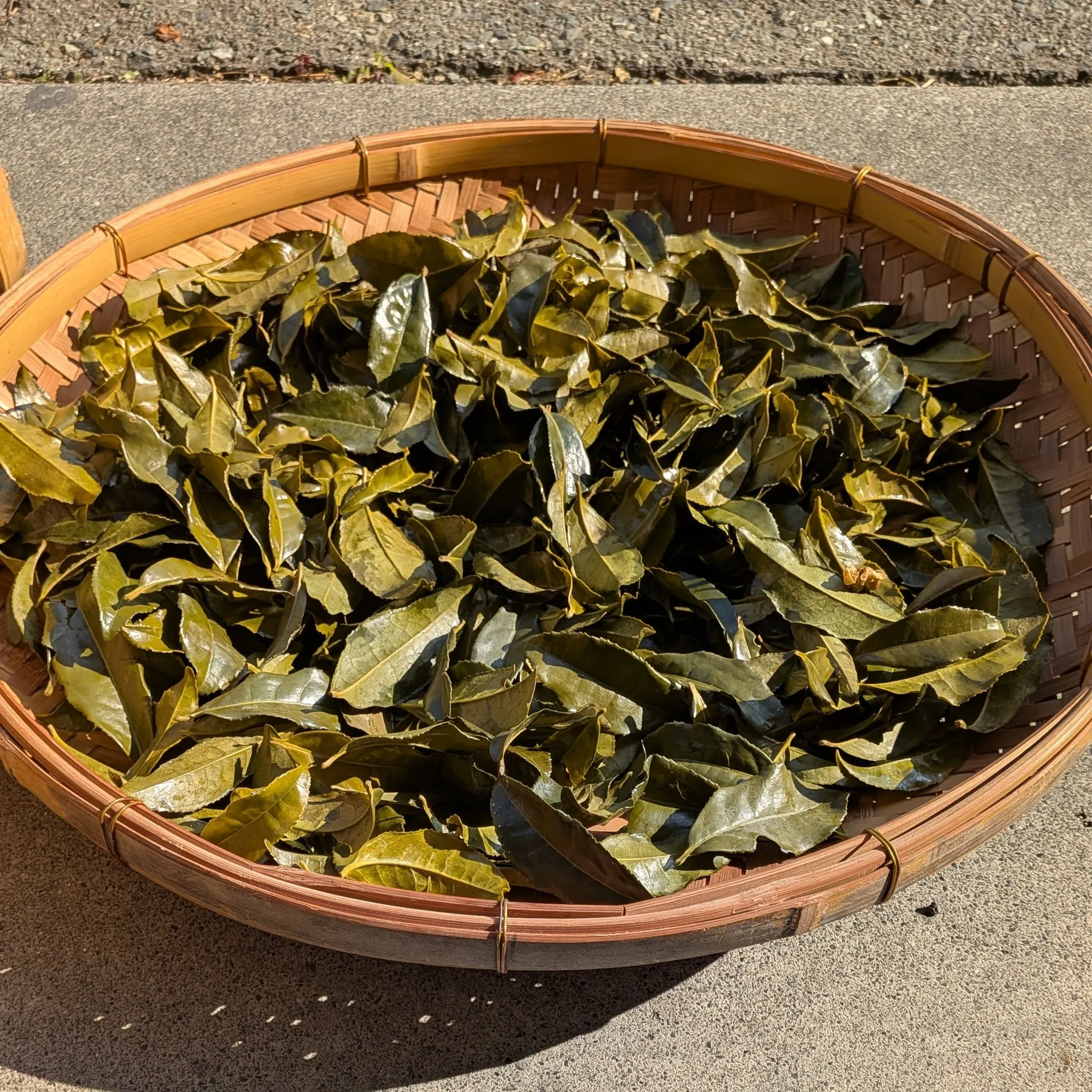
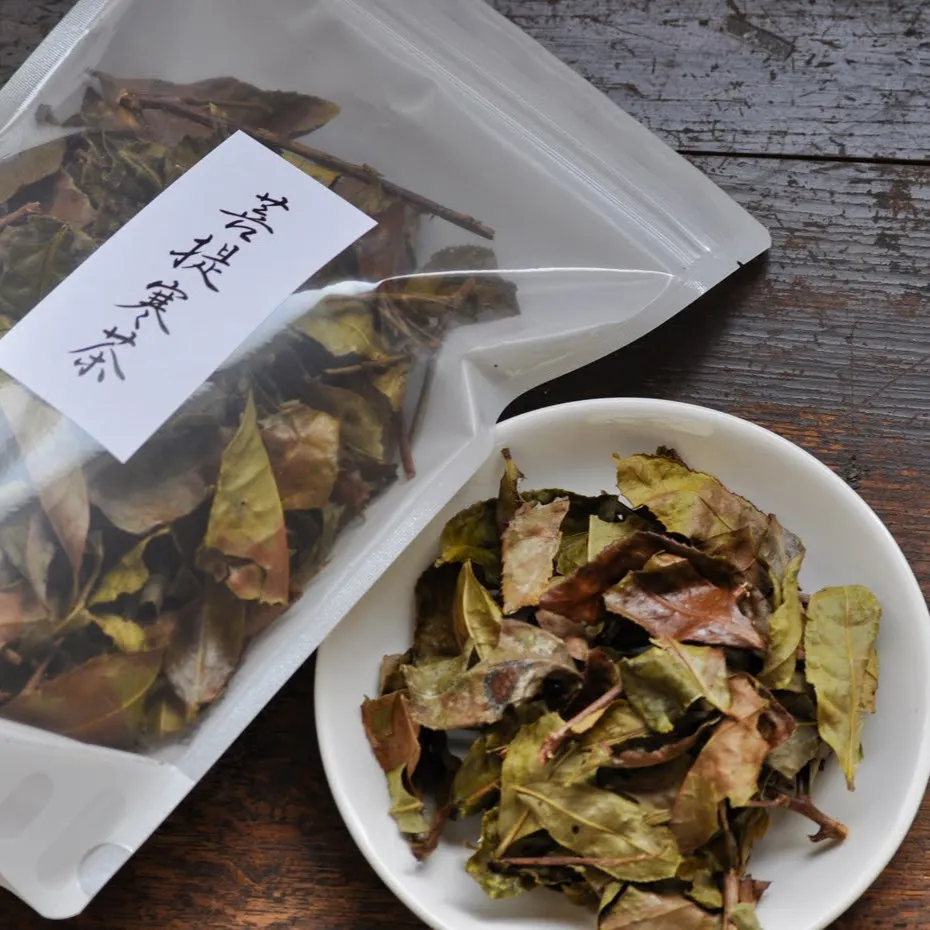
Kancha — Winter Bancha
Kancha — bancha harvested in the depths of winter.
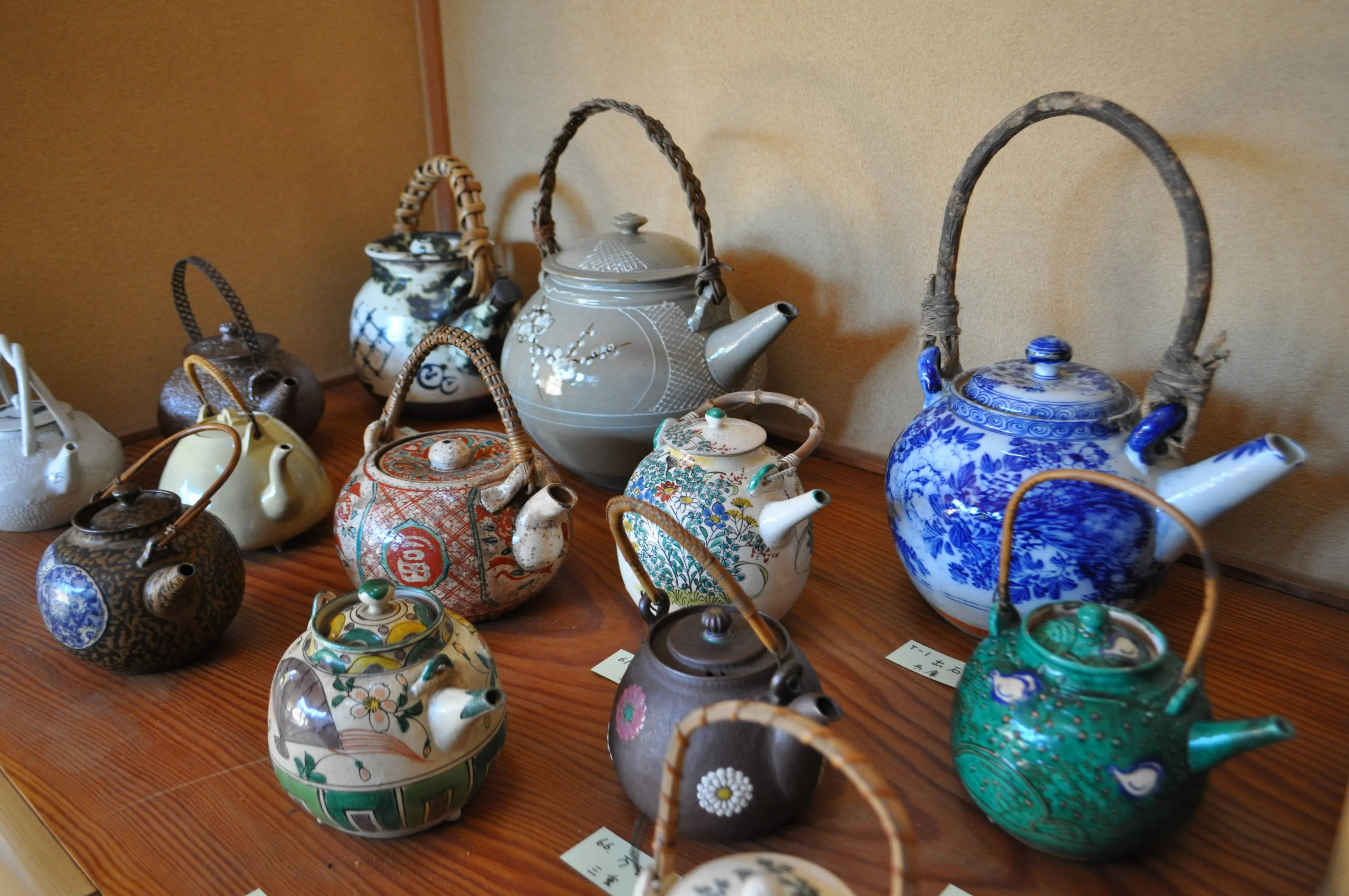
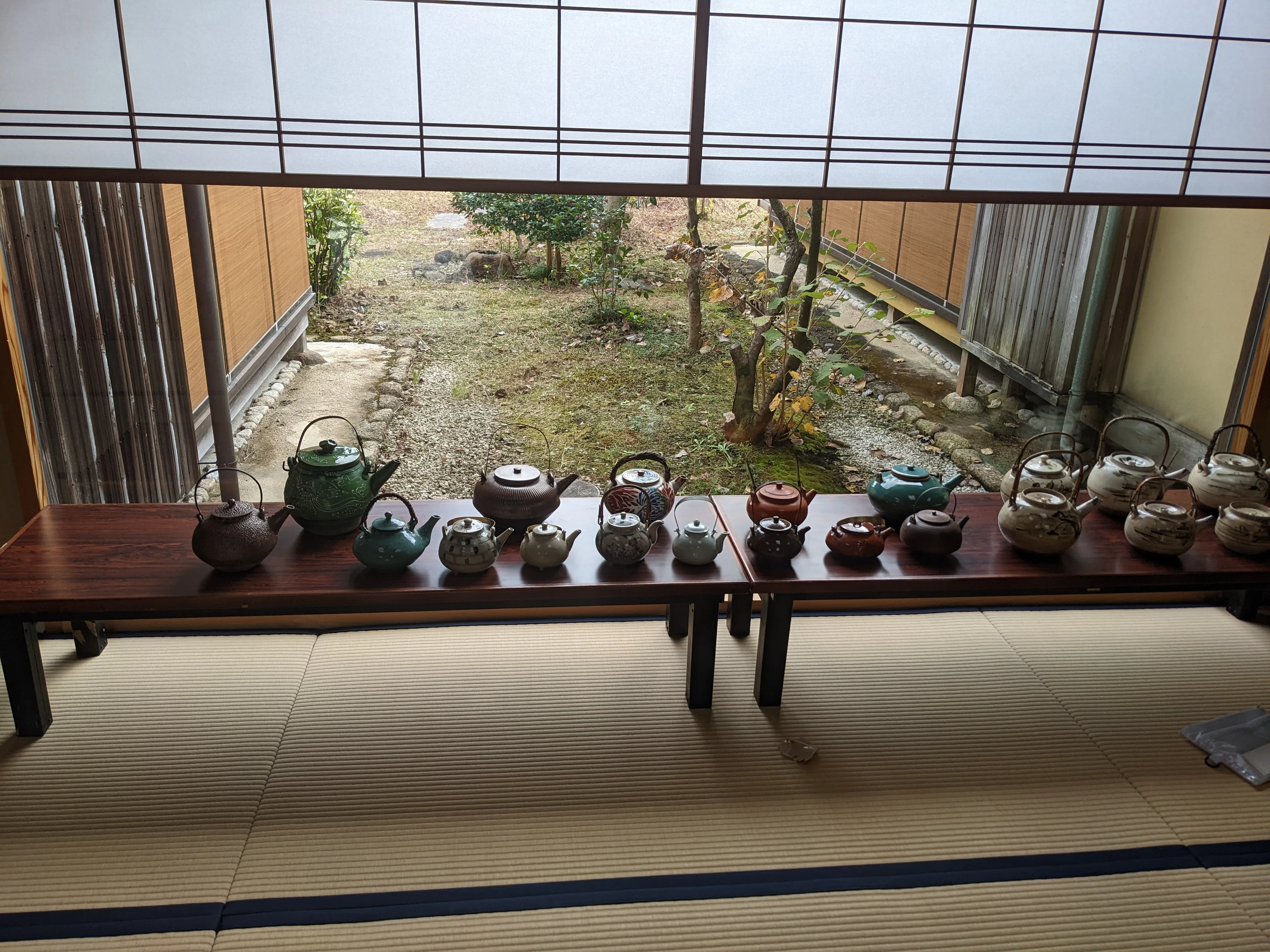
Dobin — Earthenware Teapots
The society's work extends beyond making tea. We also explore the wider cultural context of bancha, including the everyday vessels surrounding it. Our collection and exhibition of dobin (the earthenware teapots traditionally used for bancha) is one expression of this.
Takakusa-yama Project
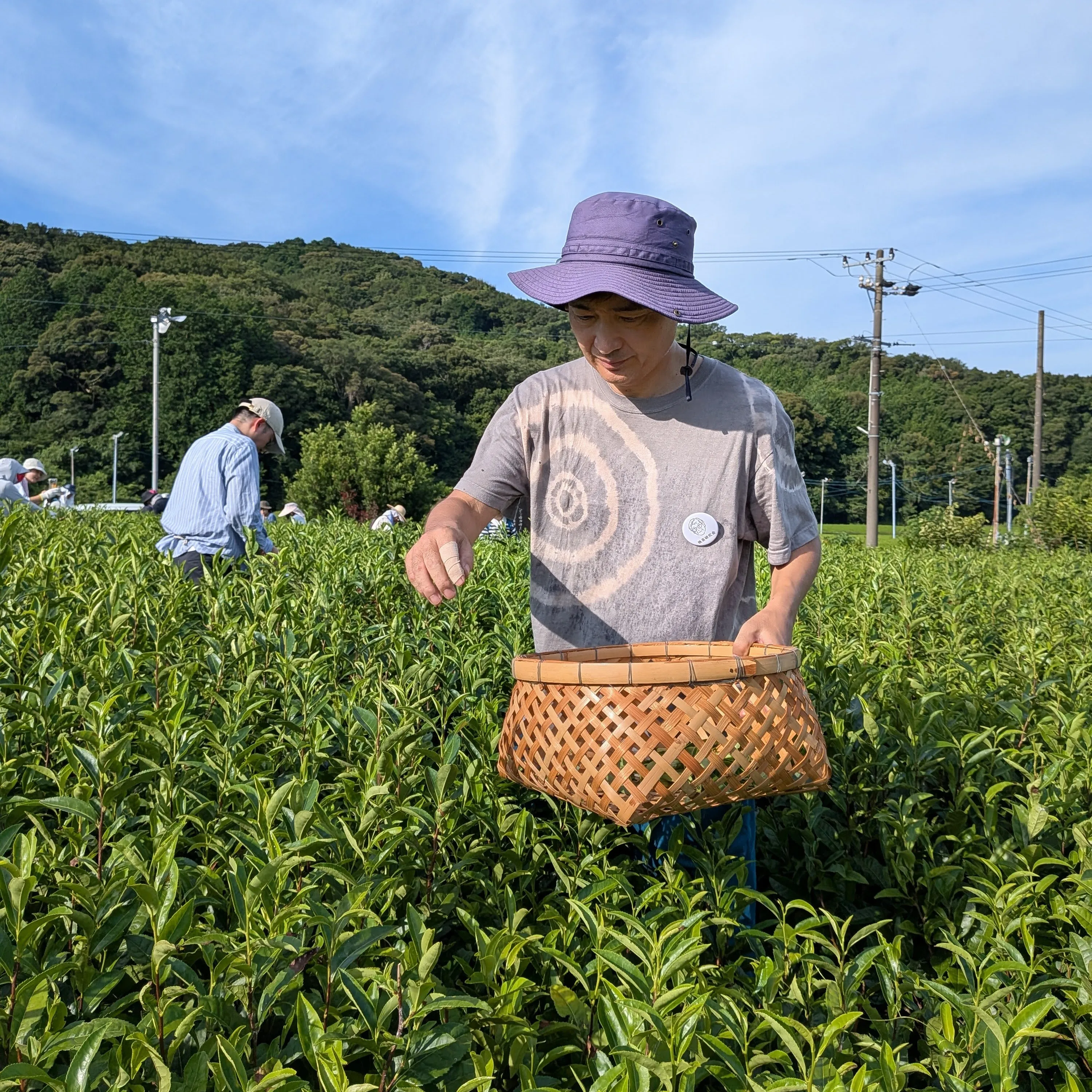
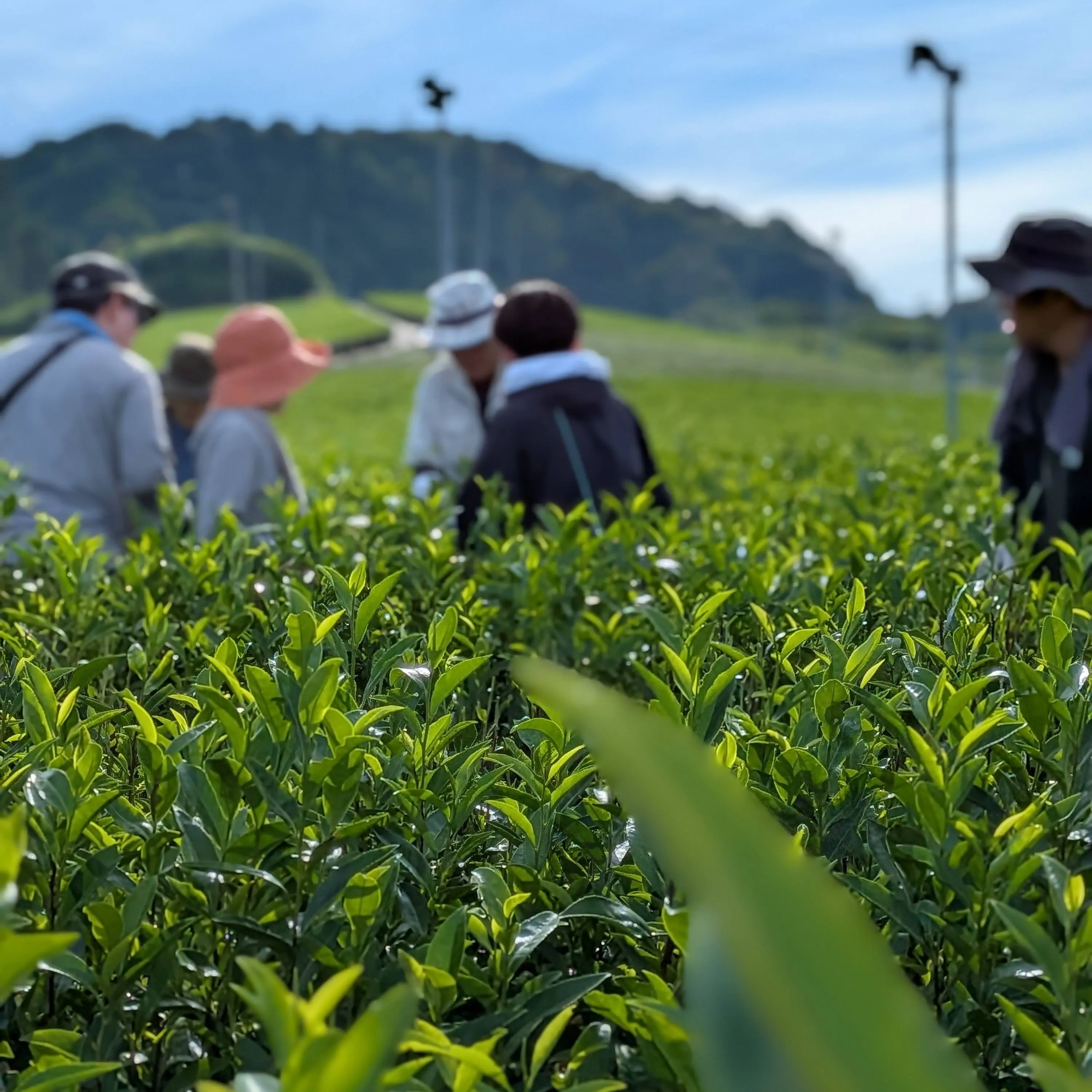
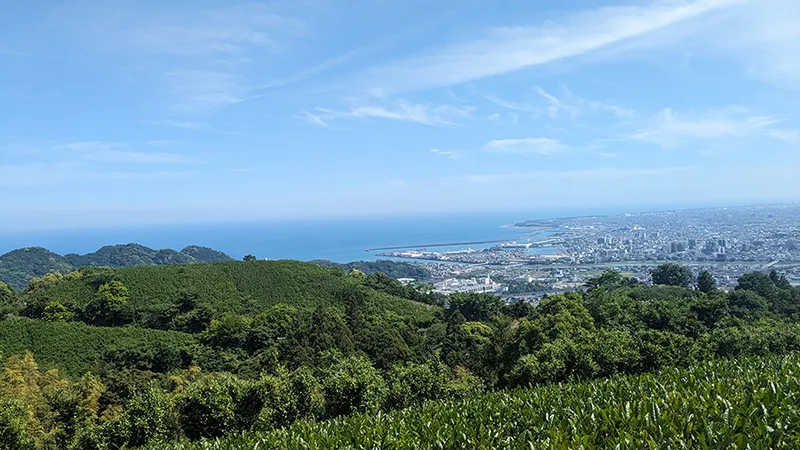
高草山プロジェクトA project to restore the abandoned tea fields of Takakusa-yama in Yaizu, Shizuoka. Leaves are hand-picked from the semi-wild tea plants and used in two ways.
Takakusa Black Tea (wildtea)
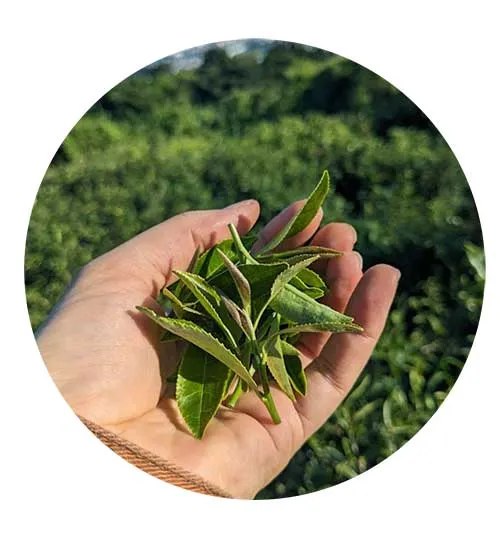
Hand-picked from naturally grown plants — no pesticides, no fertilizers. The leaves are lightly oxidized, producing a tea with greenish, vegetal notes reminiscent of a Darjeeling first flush. The character is soft-edged, reflecting the wild conditions of the plants.
Natural Fabric Dyeing
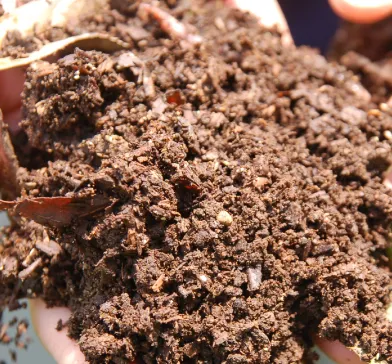
Natural fabric dyeing using leaves and branches from the Takakusa-yama tea fields. Each piece is hand-dyed with care, producing the gentle colors and traditional textures characteristic of natural dyes. The spent tea leaves are returned to the mountain after dyeing, where they become rich soil. The cycle continues.